Blog
Which unlinked brand mentions are worth asking an editor to link?
An accurate mention can already be useful. Ask for a link when the destination gives readers something the reference cannot.
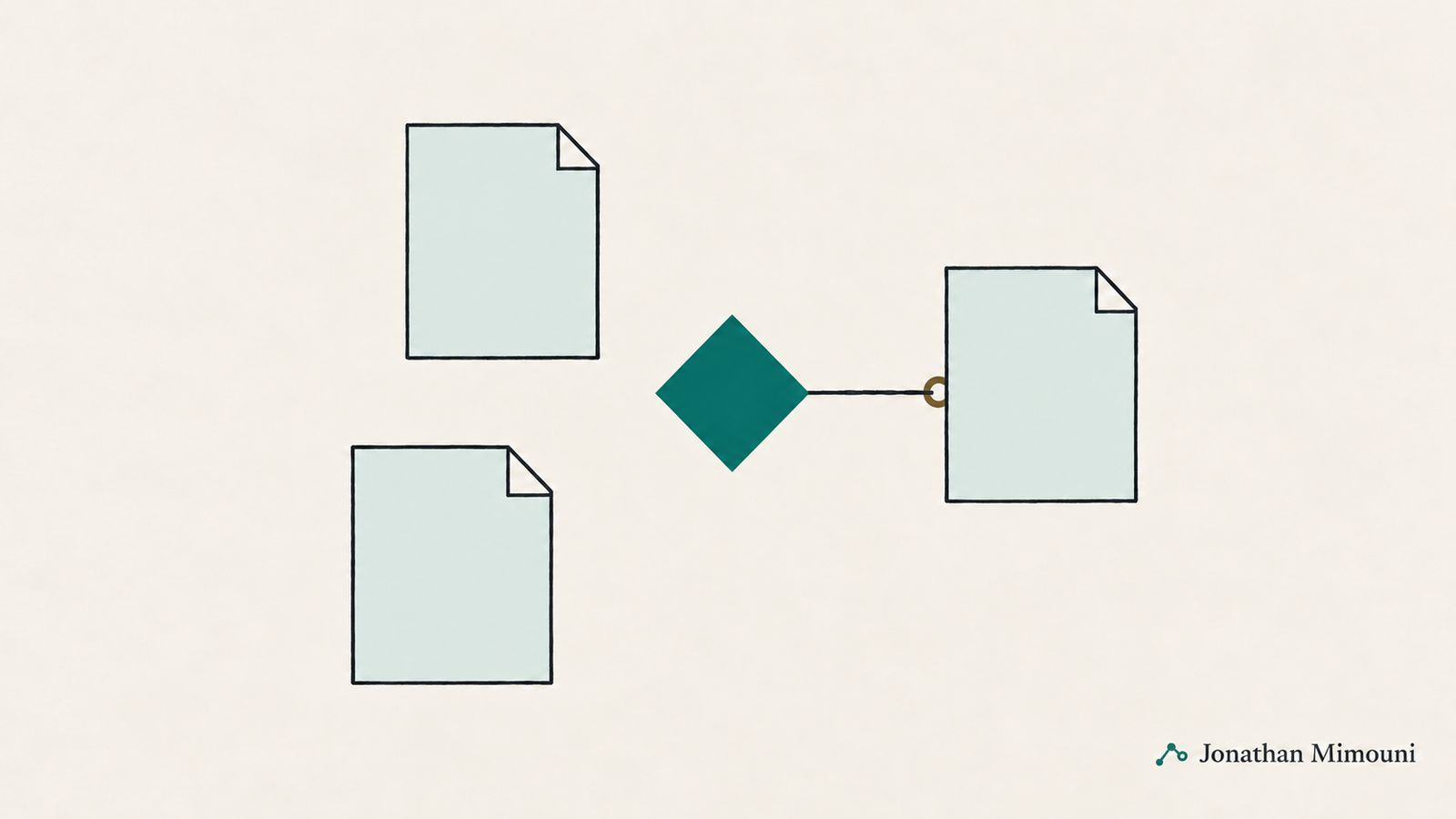
I would assess an unlinked brand mention by asking what a reader gains from following it. If a link provides the original research, identifies the right company or explains the product being discussed, a polite request has a clear purpose.
If it adds nothing useful, the mention may already be doing its job. Treating every reference as an unfinished backlink turns a reasonable editorial conversation into a numbers exercise.
Recognize the value that is already there
A publication can introduce your business to relevant readers without linking to it. A customer can describe working with your company, or a partner can acknowledge your contribution. Those references may have reputational value even when they provide no direct click through to your website.
That is different from claiming they transfer PageRank or deliver a proven ranking improvement. I would keep the distinction explicit. A mention is a reference; a hyperlink is a navigable connection. The evidence needed to assess their effects is different.
This also changes how I would discuss success with management. If an editor corrects an inaccurate company description but adds no link, the work can still have achieved something important. If an irrelevant page adds a link, the count may rise without resolving any meaningful business need.
Authority, in this context, should start with credible recognition and useful evidence. It should not become a vague label attached to every occurrence of the company name.
Search for the business people actually describe
I would begin with a discovery list, not an outreach list. Include the current company name, former names, distinctive products and relevant executive names. For an Israeli business, Hebrew and English spellings may reveal different sets of references.
Quoted searches and exclusions for the owned website can help locate candidates. Partner websites, industry publications and customer stories deserve attention because their context may be more informative than a large undifferentiated result set.
Discovery is incomplete by nature. Search results and monitoring tools should not be treated as a complete register of everything published about the company. A useful process can acknowledge that limitation and still find worthwhile opportunities.
Each candidate needs to be opened. Confirm that it refers to the right business, that the passage remains present and that a link is genuinely absent. A company with a common name can accumulate false matches quickly. A search excerpt may also omit a link that is obvious on the page itself.
I would record the actual passage, its context and the page owner. Those details matter more at this stage than a third-party domain score.
Correct the reference before asking for a destination
An inaccurate mention is primarily an information problem. Asking for a link while leaving the error intact can make the wrong description more prominent and easier to follow.
Imagine a hypothetical trade article that attributes one company's research to another company with a similar name. The first request should establish the correct attribution. Only then does it make sense to identify the source readers could use to check the research.
Other errors are less obvious. A page may describe a discontinued product as available, or associate the company with an executive who has left. The passage can be historically understandable while still needing context if the page presents itself as a current guide.
I would separate these outcomes in the working record: accurate as published, needs a factual correction, needs current context, or wrong entity entirely. This avoids treating editorial maintenance as a pretext for acquiring links.
Choose a destination that finishes the reader's task
The homepage is not the natural destination for every mention. If a publication discusses a specific research finding, the original research and methodology may be the useful next step. If it names a product, the relevant product explanation or status page may fit better.
Before making the request, open that destination as a reader would. Does it substantiate the point? Is the important information easy to find? Does it require a login or lead through a sales journey unrelated to the passage?
I would not ask an editor to add a link merely because the destination is commercially important to the company. The relationship between passage and page should be intelligible without an SEO explanation.
A suitable destination should also be stable enough to justify the editor's work. Requesting a link to a temporary campaign page creates avoidable maintenance if a permanent explanatory page already serves the need.
Keep the request proportionate
A good request can identify the passage, explain what the destination adds and provide the URL. There is no need to present a long argument about the publisher's authority or the company's ranking goals.
For example, the substance might be: your article refers to our benchmark; the methodology page explains the sample and limitations; linking it would let readers examine the underlying work. The example is hypothetical, but the reasoning is reusable.
I would let the editor decide whether the link belongs, how to describe it and which attributes to apply. Demanding a particular keyword-rich anchor text changes the character of the request. So does treating an existing mention as an obligation to provide an unqualified link.
Where a relationship already exists, use it appropriately. A customer-contact owner or partner manager may have the context to make a considerate request. Repeated approaches from different departments are unlikely to improve that conversation.
Know when the offer changes into a paid placement
An editor may respond with a price. At that point, the decision has changed. It is no longer simply a request to improve an existing reference.
Google's spam policies identify exchanges of money, goods or services for ranking-purpose links as link spam. Advertising and sponsorship links should use appropriate qualification, such as sponsored or nofollow. Calling a transaction an editorial update does not change its substance.
I would assess any commercial proposal on its actual advertising or audience value, with the relevant link treatment accepted. I would not pay merely to turn a mention into a link that is supposed to pass ranking credit.
An independent editorial addition also comes without a ranking guarantee. The defensible case is that the connection helps readers and accurately represents the relationship between the pages.
Report outcomes without inventing attribution
Keep added links, corrected facts, declined requests and unanswered requests separate. A refusal may reflect editorial policy rather than a judgment on the business.
If a link is added and suitable measurement exists, referral visits can provide evidence of use. Without a link, there is no direct referral path from that mention to count. Branded-search changes may be interesting, but they do not establish that one reference caused them.
I would prioritize a short list of accurate, relevant opportunities over a target that encourages unnecessary outreach. The strongest request begins with something already worth publishing and gives the reader a useful next step. Sometimes that step is a link. Sometimes the right decision is to leave a good mention alone.
Message me on WhatsApp to assess which brand mentions justify a useful editorial link request.
Talk to JonathanRelated posts
What to Put in an SEO Brief Before Asking a Consultant for a Plan
The most useful part of an SEO brief may be the constraint your website never mentions.
Your company has changed. Here is how to update the public record.
A rename, retired product or leadership change needs an update plan that separates current information from legitimate history.