Blog
How I Would Keep A Landing Page A/B Test From Changing Its Search Signals
Set the URL rules for an A/B test before launch so the team can run it and clean up with confidence.
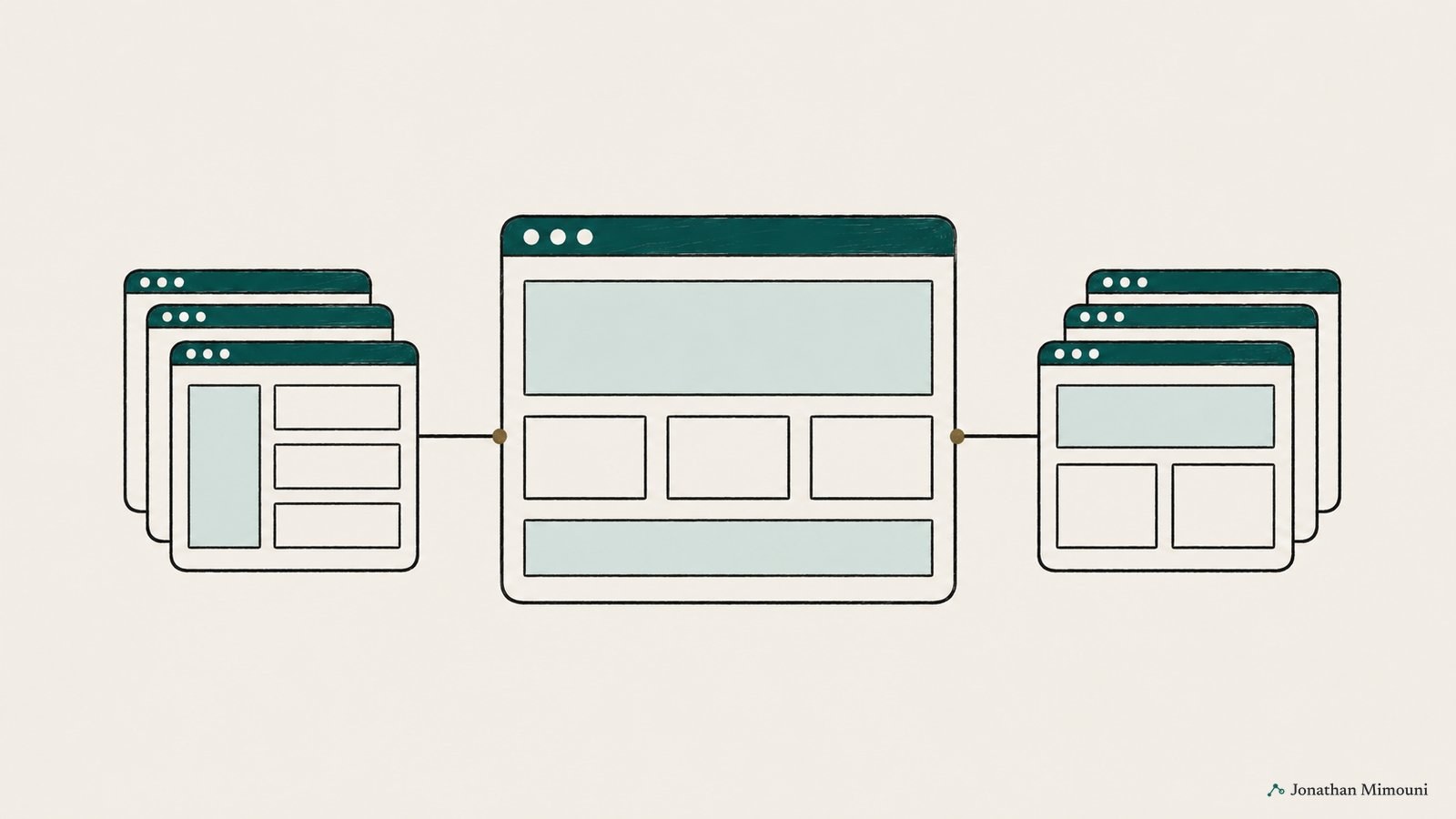
Before I approve a landing page experiment, I ask the team to name the address it wants customers to find in search while the test is running. The answer changes how I review the release. A test can be a sensible way to compare two headlines or forms, while the software that runs it may create two addresses, assign visitors a cookie, or redirect some traffic. Each choice leaves different evidence for a search engine and for the people who handle the site.
I work through a temporary experiment as three decisions. What remains stable during the test, what the visitor sees, and what the site will do with the extra address when the result is in. That keeps the technical checks close to the decision the marketing team actually needs to make.
Start By Looking At The URL The Visitor Sees
Some experiments change a part of the page while everyone stays on the same URL. Others send part of the audience to a second address. I ask for sample requests for both treatments, including the public address in the browser after the page loads. That tells me more than the name of the testing tool. A tool can be configured in several ways, and the configuration is what determines the behavior.
When the address is unchanged, I look at how the usual page loads for a first-time visitor and what has moved or been replaced once the test applies. For a two-address experiment, I list the original and the test address and keep the list near the deployment ticket. I want someone outside the experiment to be able to reproduce the setup without asking the marketing team how to reach each page.
Make The Preferred Address Explicit For A Separate Variant
Google’s A/B testing guidance recommends a canonical reference from a separate test URL to the original when those pages are variants of the same content. The purpose is to show which URL should represent those pages in search during the test. This applies when the baseline remains the public destination and the other address is an experiment. I verify the canonical the server or page actually returns, since a staging screenshot can easily hide a production template difference.
I also confirm that the original address itself is available and behaves as expected. If the experiment is meant to compare a heading, design or form, both variants should still complete the core task. For example, I would test whether each form can be reached and submitted with the same intended steps, using test data. The result of a split test is easier to interpret if one arm did not lose customers because its submission handler was broken.
Check The Redirect That Actually Runs
Google recommends using a temporary redirect, such as a 302, when the experiment redirects part of the traffic from the original address to another URL. A temporary response describes the current setup accurately. A permanent redirect communicates a different intent and belongs in a separate decision about the published destination. I inspect the actual response instead of taking the testing platform’s setting name as proof.
I also check results for a fresh session and a returning one. A stored assignment may explain why two people see different versions. Google’s documentation says to avoid cloaking, which includes giving a crawler a special version distinct from what a person could see. I check that the normal visitor rules apply consistently and that no development shortcut added a special case for a search crawler.
Keep The Rest Of The Site Aligned With The Plan
Check navigation links, the sitemap and the support or sales documents that send visitors to the landing page. If the team wants the original address to remain its public destination, those references should normally keep pointing there. A test URL can escape into production through a campaign spreadsheet or a link someone copies after being assigned to the variant. Have someone inspect the channels that actually send traffic.
I separate those checks from measuring conversion. The technical review asks whether the configuration reflects the team's intended URL behavior. The experiment asks whether people proceed with a particular form or message more often. An indexing change or a campaign switch can affect who reaches the page. I record changes that can help explain a result that otherwise looks like the effect of the new layout.
Decide How The Experiment Ends Before It Starts
My release notes name a person who can turn off the test and a person who can update the production template. We agree what to do if the original wins, if the variant wins, or if the result is inconclusive. If the winning design can be installed at the existing address, the team can plan that move independently of the variant's temporary URL. If the team wants a permanent address change, I review it on its own merits.
After the test ends, verify the preferred page and remove experiment-only logic, links and intermediate redirects where applicable. Google recommends running website experiments only as long as needed and removing the alternate URLs or testing markup once the experiment is concluded. I schedule a separate follow-up check for the response and the page a signed-out visitor can see. It confirms that the public configuration reflects the decision after the dashboard says the test is closed.
What I Want To See Before Approving The Release
I want a list of the public and test addresses, a record of their responses, and a simple plan for bringing the site back to its normal state. I also want one person who knows what to do when those checks fail. This can fit in a short deployment note. The value is in the decisions it records and the evidence that another person can compare with the live site.
If you are testing a landing page and want to review its search signals, send me the experiment plan on WhatsApp.
Talk to Jonathan (opens in a new tab)Related posts
How I Check Whether A Localized Landing Page Leads To A Localized Checkout
Trace a purchase from the search result to the confirmation to find where local language and market details stop carrying through.
What I Would Do When Search Results Confuse Two Executives With The Same Name
A namesake problem is easier to address once readers can tell which career, role and public profile belong to each person.